

Family with gluten sensitive children enjoying a meal together

Laboratories testing gluten levels in food
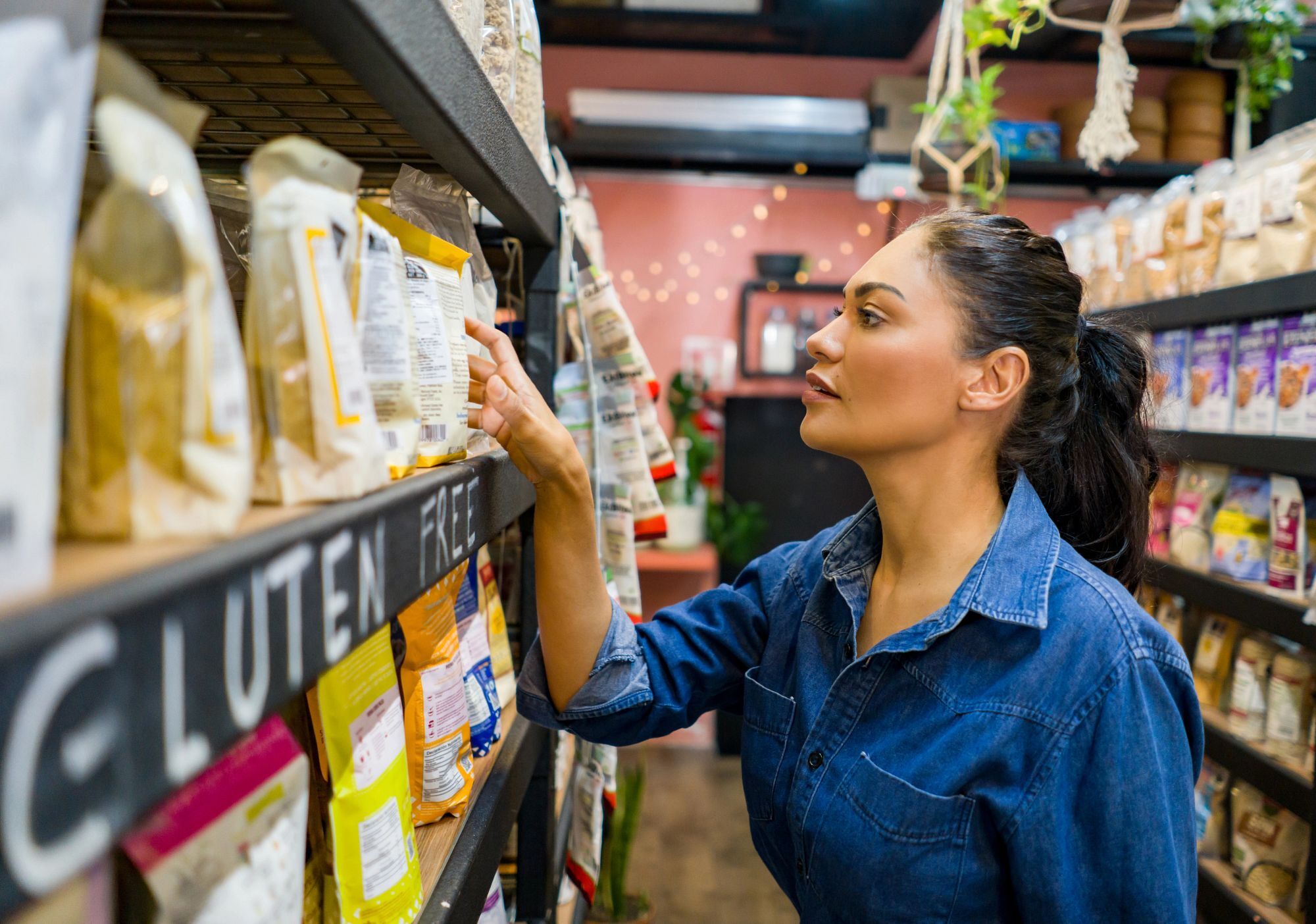
Mom at the supermarket checking the gluten free label
Advocating stricter safety to support parents’ daily food choices for their gluten-sensitive children
MA, UNITED STATES, October 27, 2025 /EINPresswire.com/ -- Since the U.S. Food and Drug Administration (FDA) established its 20 parts-per-million (ppm) gluten-free labeling rule in 2013, scientific advances and changing consumer expectations are driving renewed discussion across the food industry.
Leading voices such as Gluten Free Watchdog,
the University of Nebraska’s Food Allergen Research and Resource Program (FARRP), and Boston Children’s Hospital suggest the time has come to adopt a safer, science-based verification threshold that better supports gluten “sensitive” families.Dr. Tricia Thompson, founder of Gluten Free Watchdog, said, “Analytical detection of gluten has improved dramatically. Tests that reliably measure below 5 ppm are now standard, meaning policy can be guided by capability rather than constraint.”
The Gluten-Free Food Program (GFFP), founded in 2004 and endorsed by the non-profit National Celiac Association (NCA), is a third-party certifier that verifies food products at ≤ 5 ppm; a level once considered aspirational but now practical and measurable.
“As science advances, so must our standards,” said Lee Graham, Executive Director of the National Celiac Association. “Our collaboration with GFFP ensures the celiac community has access to products that meet the highest bar for safety, backed by transparent testing and trusted certification.”
Once considered leaders, industry stalwarts Gluten-Free Certification Organization (10 ppm), SCS Global Services (10 ppm), and NSF International (15 ppm) all appear to be falling short of what gluten-intolerant consumers and healthcare professionals consider “optimal protection.”
With laboratories now capable of detecting trace gluten far below that level, the food sector’s most forward-looking organizations are redefining what “safe” really means.
“Lower thresholds matter because they give families peace of mind,” said Dr. Jocelyn Silvester, Director of the Celiac Disease Program at Boston Children’s Hospital. “For parents managing a child’s diagnosis, knowing a food product is tested to 5 ppm or below removes fear from daily food choices.”
Research groups such as the University of Nebraska’s FARRP have noted that adopting tighter thresholds would enhance international harmonization and rebuild consumer trust in gluten-free labeling.
“A modernized standard would bring greater global consistency and strengthen confidence among both regulators and consumers,” said Dr. Stephen Taylor, Co-Founder of FARRP.
But GFFP and the NCA aren’t waiting for the FDA to modernize its outdated gluten-free labeling standard. They’re leading the way to make “gluten-free” a verified commitment to family safety; not merely a marketing claim.
Their partnership provides restaurants, cafés, food service companies, and manufacturers with a clear standards roadmap that aligns with existing food management systems already in place in the workplace, guiding management on how to upgrade their facilities to meet their ≤ 5 ppm Gold Standard certification benchmark.
Assisting families further, with GFFP’s online directory service, GF-Finder.com, parents can now more easily search for ≤ 5 ppm certified products from around the world.

No comments:
Post a Comment